
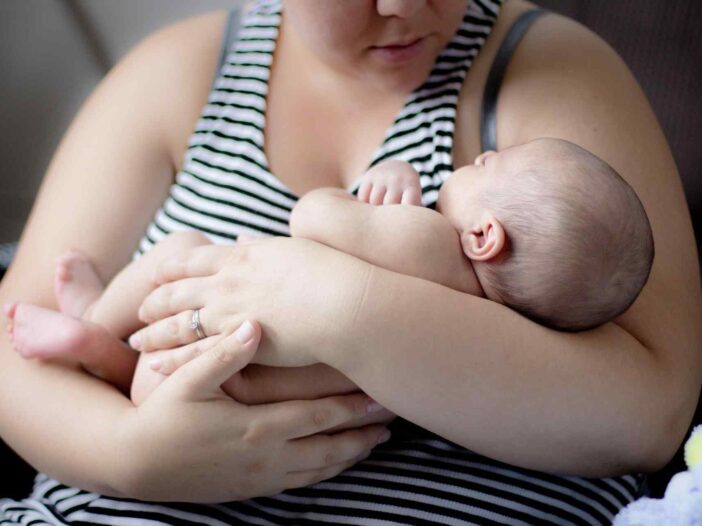
In the early weeks with a newborn, breastfeeding can feel like a learning process for both you and your baby. When my babies were first born, I quickly realized that how I held them during feeding made a big difference in how comfortable everything felt.
Newborns are still adjusting to feeding outside the womb, and those first days can involve a lot of trial and error. I remember realizing very quickly that breastfeeding wasn’t just about feeding. It was also about figuring out how to hold a tiny baby, how to get comfortable myself, and how to settle into a routine that worked for both of us.
During those early weeks, I ended up trying several different positions before finding a few that felt natural. Some worked better at certain times of day, and some felt easier when my baby was especially sleepy or fussy.
Looking back, a few positions stood out as the ones I used most often during the newborn stage.
Why Positioning Matters in the Early Weeks
One thing that surprised me when I first started breastfeeding was how much the position of the baby affected the overall experience.
Newborns are tiny and still developing head and neck control. Because of that, I found that certain positions simply made it easier to support my baby during feeding.
Comfort mattered too. Feeding a newborn can take time, and during the early weeks I spent many hours each day holding and feeding my baby. If I was hunched over or awkwardly positioned, I would feel it quickly.
Finding a position where both of us felt supported made those long feeding sessions feel calmer and more manageable.
I also discovered that small adjustments could make a surprising difference. Something as simple as shifting a pillow, leaning back slightly, or repositioning my baby’s body sometimes made feeding feel much easier.
Over time, I became more relaxed about experimenting until I found something that worked in the moment.
Cross-Cradle Hold
The cross-cradle hold was one of the first positions I tried with my babies. In this position, the baby rests across your lap while you support their head with the hand opposite the breast they are feeding from.
What I liked about this position was the extra support it gave me in the early days. When everything was still new, having that support made me feel more confident about how my baby was positioned during feeding.
It also allowed me to gently adjust my baby’s position if something didn’t feel quite right. In those early weeks when I was still learning what worked, that flexibility felt helpful.
I remember using this position frequently during the first couple of weeks while we were both getting used to breastfeeding.
Laid-Back Breastfeeding (Biological Nursing)
There were also times when I preferred a more relaxed approach. In a laid-back position, I would recline slightly while my baby rested against my chest.
This position often felt calm and natural, especially during long newborn days when everything still felt new and a little overwhelming.
With my baby lying tummy-to-tummy against me, feeding sometimes felt slower and more relaxed. Instead of trying to manage every detail of positioning, I could simply hold my baby close and let the moment unfold.
Some of my favorite quiet moments during the newborn stage happened while feeding in this position. It often felt less structured and more peaceful, especially during nighttime feedings or slow afternoons at home.
Football Hold
I also experimented with the football hold, where the baby is positioned alongside your body rather than across your lap, with their legs extending behind you.
This position felt different at first, but I appreciated that it allowed me to see my baby more clearly during feeding.
In the early weeks, that visibility helped me feel more aware of what was happening during feeding. I could easily see my baby’s face and how they were positioned.
Having another option to try was helpful on days when the usual positions weren’t feeling quite right. Sometimes simply switching positions made the whole experience feel easier.
Finding Your Own Rhythm
One of the things I learned quickly is that there isn’t just one way to breastfeed.
During the newborn stage, I spent time experimenting with different ways of holding my baby while feeding. Some positions felt more comfortable in the morning, while others worked better during the quiet nighttime hours.
Every day with a newborn can feel a little different, and feeding positions were no exception.
Eventually, breastfeeding began to feel more familiar. What once required careful thought gradually became part of the daily rhythm of caring for a baby.
How Positions Change as Babies Grow
As babies grow and gain stronger head control, feeding often begins to feel more flexible.
In the earliest weeks, I relied more on positions that gave my baby extra support. As time passed and my baby grew stronger, holding them during feeding started to feel easier and more relaxed.
Eventually I found that the classic cradle hold became simpler to use as breastfeeding became more familiar for both of us.
Looking back, the biggest change over time was simply confidence. What felt uncertain in the beginning gradually became a normal and comfortable part of everyday life with a baby.
Related Breastfeeding Guides
You may also find these helpful:
- Signs Your Baby Is Getting Enough Breast Milk
- How to Increase Milk Supply
- Breastfeeding and Returning to Work
Gentle Note for Parents
Every baby and every family is different. The positions described here are simply ways I held my babies during the newborn stage while learning how breastfeeding worked for us. If you ever have concerns about feeding, growth, or comfort while breastfeeding, a pediatrician or lactation professional can provide personalized guidance.
Related Breastfeeding Topics
You may also find these helpful:
- Signs Your Baby Is Getting Enough Breast Milk
- How to Increase Milk Supply
- Breastfeeding and Returning to Work