
This guide is intended to provide general educational information about common breast milk storage practices.
Every baby and situation is different. If you have concerns about milk storage or feeding, your pediatrician or a lactation consultant can provide personalized guidance.
For many breastfeeding mothers, pumped milk represents hours of effort and planning. Each bottle or storage bag often reflects early mornings, late nights, and the commitment to nourish a growing baby.
Because of that effort, parents naturally want to handle stored milk carefully. Questions about safe storage come up frequently:
How long can milk stay in the refrigerator?
Is frozen milk still good after several months?
What should you do if milk sits out longer than expected?
Understanding basic breast milk storage guidelines helps parents protect the quality of their milk and use it confidently.
Quick Breast Milk Storage Chart
The following guidelines summarize common recommendations for storing expressed breast milk.
| Storage Location | Recommended Time |
|---|---|
| Room temperature (77°F / 25°C or cooler) | Up to 4 hours |
| Insulated cooler with ice packs | Up to 24 hours |
| Refrigerator | Up to 4 days |
| Freezer (refrigerator freezer compartment) | About 6 months for best quality |
| Deep freezer | Up to 12 months |
| Thawed milk in refrigerator | Up to 24 hours |
| Warmed milk | Use within 2 hours |
These timelines help maintain both the safety and nutritional quality of stored breast milk.
Why Breast Milk Storage Guidelines Matter
Breast milk contains natural antimicrobial properties that help slow the growth of bacteria. These properties allow milk to remain stable longer than many other foods.
However, once milk is expressed from the body, environmental factors such as temperature and handling begin to affect its stability.
Refrigeration slows bacterial growth and helps preserve nutrients. Freezing allows milk to be stored much longer, although some immune properties may gradually change during long-term storage.
Storage guidelines balance these factors so that babies continue receiving high-quality nutrition.
Storing Freshly Pumped Breast Milk
Freshly expressed breast milk can usually remain at room temperature for up to four hours in moderate conditions.
This flexibility can be helpful during busy feeding schedules. For example, milk pumped shortly before a feeding may not need to be refrigerated immediately.
However, cooler storage helps preserve milk longer. If milk will not be used soon, placing it in the refrigerator as soon as possible is often the safest choice.
Refrigerating Breast Milk
Breast milk stored in the refrigerator can generally remain safe for up to four days.
For best results, milk should be stored toward the back of the refrigerator, where temperatures remain more stable.
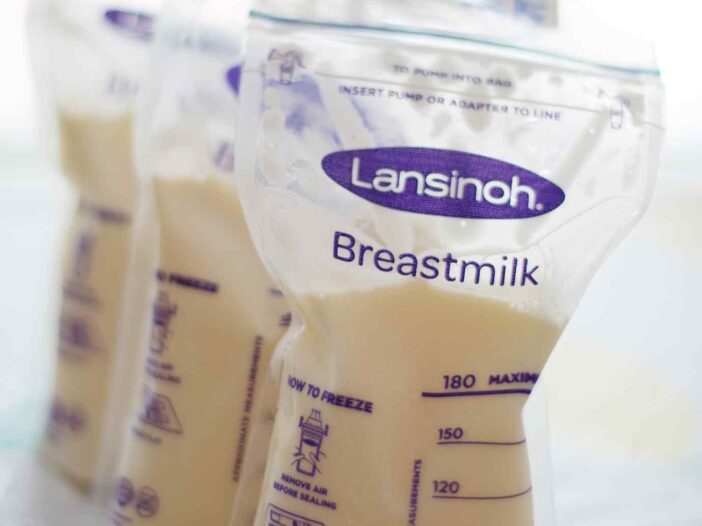
Using clean storage containers or specially designed breast milk storage bags can help maintain milk quality. Many parents also label milk with the date it was pumped to ensure older milk is used first.
Freezing Breast Milk
Freezing allows parents to store milk for longer periods of time.
Milk kept in a standard freezer compartment is often best used within six months for optimal quality. In deep freezers with consistently cold temperatures, milk may remain usable for up to twelve months.
Although freezing can slightly reduce certain immune properties of breast milk, frozen milk still provides excellent nutrition for babies.
Many families freeze milk in small portions so that only the amount needed for a feeding must be thawed.
Thawing Frozen Breast Milk
Frozen milk can be thawed safely in several ways.
Some parents place frozen milk in the refrigerator overnight so it gradually thaws. Others place sealed containers in a bowl of warm water to speed up the process.
Once thawed, breast milk can generally remain in the refrigerator for up to twenty-four hours.
It is not recommended to refreeze breast milk after it has been thawed.
Warming Breast Milk
When warming breast milk for feeding, many parents place the bottle in warm water or use a bottle warmer.
Direct heating methods such as microwaving are typically avoided because they can create uneven hot spots and damage some beneficial components of the milk.
Once milk has been warmed for a feeding, it is usually best used within two hours.
Transporting Breast Milk
Many working mothers transport milk between home and work each day.
Insulated cooler bags with frozen ice packs help keep milk cold during travel. Milk stored in this type of cooler can generally remain safe for up to twenty-four hours.
Once home, the milk can be transferred to the refrigerator or freezer as needed.
Simple Tips for Breast Milk Storage
A few practical habits can make milk storage easier.
Many parents label each container with the pumping date so older milk can be used first. Freezing milk in smaller portions also helps reduce waste when babies do not finish an entire bottle.
Storing milk toward the back of refrigerators or freezers helps maintain consistent temperatures.
These small steps can help families manage milk storage more smoothly.
When Stored Milk Can No Longer Be Used for Feeding
Occasionally, stored milk may exceed recommended storage timelines. When this happens, many mothers feel discouraged about discarding something that required so much effort to produce.
Some families choose to repurpose older milk instead.
For example, some parents add leftover milk to baby baths or use it to make homemade breast milk soap.
You can learn more in these guides:
- How Long Breast Milk Lasts
- What to Do With Leftover Breast Milk
These articles explain storage timelines in more detail and explore creative ways to use milk that can no longer be consumed.
A Reassuring Thought for Parents
Breastfeeding and pumping require patience, dedication, and careful planning. It is natural for parents to want to protect every ounce of milk they produce.
Learning basic breast milk storage guidelines helps families feel more confident about how they handle stored milk.
And while occasional waste may happen from time to time, every feeding that nourished your baby already served its purpose.
Breastfeeding is a journey, and understanding milk storage is simply one part of that experience.