
The information in this article is intended to provide general educational guidance based on common breastfeeding practices.
Every baby is different. If you have concerns about feeding or digestion, a pediatrician or lactation consultant can provide individualized guidance.
One of the most common questions parents ask after pumping milk is surprisingly simple:
Do I have to warm breast milk before feeding my baby?
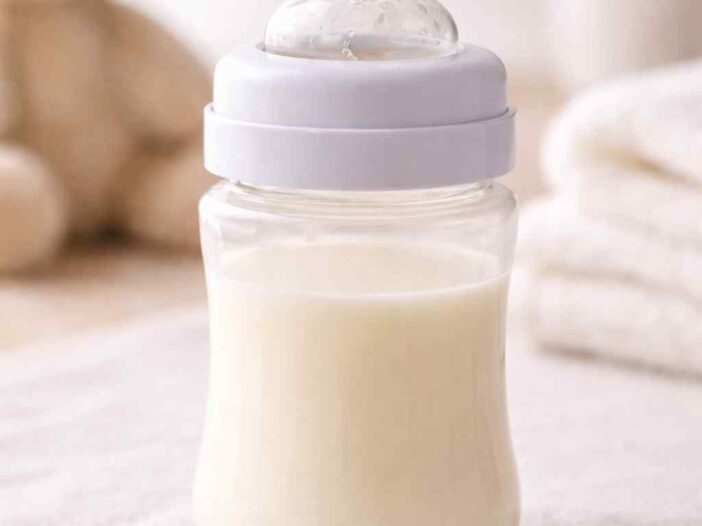
Many parents assume that breast milk must always be warmed to body temperature before a baby can drink it. In reality, most babies can safely drink breast milk directly from the refrigerator.
Whether a baby prefers cold milk or warmed milk usually comes down to comfort and habit rather than safety.
Understanding why some babies accept cold milk—and why others prefer it warmed—can help parents simplify feeding routines and reduce stress around pumping and storage.
The Short Answer
Yes. Most babies can drink cold breast milk straight from the refrigerator.
Breast milk does not need to be warmed before feeding unless a baby prefers it that way. Some babies happily drink cold milk, while others may prefer milk that has been warmed slightly.
Both options are generally normal.
Why Many Parents Warm Breast Milk
Although warming breast milk is not required, many parents choose to do it because it resembles the experience of nursing directly from the breast.
Freshly expressed breast milk is naturally close to body temperature, which is what babies experience when breastfeeding.
Because of this, some babies become accustomed to warm milk and may initially resist milk that feels colder.
Warming the bottle can help mimic the familiar temperature of nursing, which may make the transition between breast and bottle easier for some babies.
Why Some Babies Drink Cold Milk Without a Problem
Other babies accept cold milk with no difficulty at all.
Babies who are introduced to bottles early sometimes adapt easily to different milk temperatures. For busy families, this flexibility can make feeding much simpler.
Using refrigerated milk directly from the fridge can save time, especially during nighttime feedings or busy mornings.
For parents returning to work, babies who accept cold milk can make feeding routines easier for caregivers.
Does Cold Breast Milk Affect Digestion?
Many parents worry that cold milk might upset their baby’s stomach.
In most cases, babies tolerate cold breast milk perfectly well. Breast milk itself remains nutritious and safe whether served cold or warmed.
Some babies simply have personal preferences about temperature, just like adults do. If a baby seems comfortable and feeds normally, the milk temperature is usually not a concern.
How to Warm Breast Milk Safely
If a baby prefers warm milk, there are simple ways to warm breast milk safely.
Many parents place the bottle in a bowl of warm water for several minutes or use a bottle warmer designed for breast milk.
Microwaving breast milk is generally avoided because it can create uneven hot spots and may damage some beneficial components of the milk.
Once warmed, breast milk is typically best used within a short period of time.
When Cold Milk Can Be Helpful
Some families intentionally offer cold milk because it simplifies feeding routines.
Cold milk can be especially convenient during travel, daycare drop-offs, or nighttime feedings when warming a bottle might wake a baby further.
For working mothers who pump during the day, babies who accept cold milk can make bottle preparation much easier for caregivers.
Ultimately, the best approach is the one that works comfortably for both the baby and the family.
Following Your Baby’s Preferences
Babies vary widely in their feeding preferences.
Some strongly prefer warm milk that resembles breastfeeding. Others drink milk happily at any temperature.
If a baby refuses cold milk, warming it slightly may help. If a baby drinks refrigerated milk without hesitation, there is usually no need to change the routine.
Over time, many babies become flexible about temperature as they grow and adapt to different feeding situations.
A Reassuring Thought
Parents often worry about small details during the early months of caring for a baby. Milk temperature is one of those details that can feel surprisingly important in the moment.
The good news is that most babies are quite adaptable.
Whether milk is served cold or warmed, what matters most is that your baby is feeding comfortably and receiving the nourishment they need.
Breastfeeding and pumping involve enough challenges already. When possible, it helps to keep feeding routines as simple and stress-free as possible.