
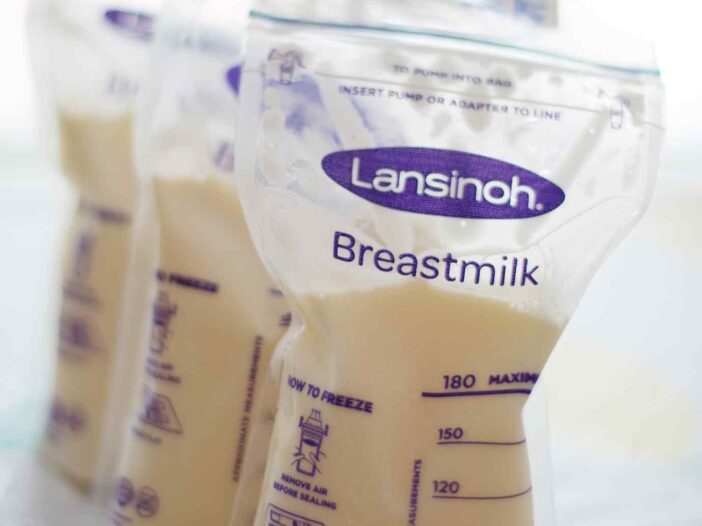
For many breastfeeding mothers, every ounce of breast milk feels valuable. Pumping milk often requires time, patience, and persistence, so discovering that milk cannot be used for feeding can feel discouraging.
Sometimes milk sits too long in the refrigerator. Sometimes a baby refuses a bottle that has already been warmed. In other cases, a freezer stash reaches the end of recommended storage guidelines before it can be used.
When that happens, many parents ask the same question:
Is there anything useful I can do with leftover breast milk?
The answer is yes. While fresh breast milk should always be prioritized for feeding whenever possible, milk that can no longer be consumed may still have several practical uses.
Many families find creative ways to use leftover milk that honor the effort that went into producing it.
First: When Breast Milk Can No Longer Be Used for Feeding
Before considering alternative uses, it helps to understand when milk should no longer be given to a baby.
Breast milk storage guidelines exist because bacteria can grow once milk has been expressed. Milk stored too long at room temperature, milk that has remained thawed beyond recommended time limits, or milk that has been frozen for extended periods may no longer be suitable for feeding.
If you’re unsure whether stored milk is still safe to use, you may find this guide helpful:
How Long Does Breast Milk Last?
(internal link)
Once milk passes recommended storage timelines, many parents choose to repurpose it instead of discarding it immediately.
Breast Milk Baths
One of the simplest ways to use leftover milk is by adding it to a baby bath.
Many parents enjoy milk baths because breast milk contains natural fats and proteins that may help moisturize delicate skin. Some families use milk baths for babies experiencing dry skin or mild irritation.
To prepare a milk bath, parents typically add a small amount of leftover breast milk to warm bathwater. The milk blends into the water and creates a gentle, milky bath.
Bath time continues as usual.
While milk baths are not a medical treatment, many families enjoy them as a soothing part of their baby’s routine.
Breast Milk Soap
Another increasingly popular use for leftover milk is making breast milk soap.
Breast milk contains natural fats that can be incorporated into homemade soap recipes. Many parents enjoy creating gentle soaps for their baby’s bath or as a meaningful keepsake from their breastfeeding journey.
If you’re interested in trying this project, you can follow this guide:
How to Make Breast Milk Soap
(link to your soap article)
This article explains the ingredients, safety considerations, and basic process for making soap at home.
For many mothers, turning leftover milk into soap feels like a meaningful way to preserve something that required so much effort to produce.
Homemade Breast Milk Lotion
Some families also experiment with breast milk lotion or skin creams.
Because breast milk contains moisturizing fats, it can sometimes be incorporated into simple homemade skin-care mixtures.
These lotions are occasionally used for babies with dry skin or for gentle moisturizing. As with any homemade skin product, it is important to monitor skin reactions carefully.
Many parents choose to begin with small amounts when trying any new product.
Breast Milk Jewelry and Keepsakes
For some mothers, breast milk represents a deeply personal part of early parenthood. Rather than discarding unused milk, some families choose to preserve it as a keepsake.
Specialty artisans can transform breast milk into jewelry, ornaments, or small decorative items. These keepsakes serve as reminders of the breastfeeding journey and the bond between mother and baby.
Although this option is not for everyone, many mothers appreciate having a tangible way to remember this stage of life.
Composting Breast Milk
In situations where milk cannot be used for other purposes, some families choose to compost it.
Breast milk contains organic nutrients and can break down naturally in compost systems. For households with gardens, this can provide a more environmentally friendly alternative to discarding milk in the sink.
When It Is Okay to Let It Go
Even with creative options available, there are times when leftover breast milk simply needs to be discarded.
For many mothers, this can feel surprisingly emotional. Pumping milk often requires late nights, careful storage, and a great deal of effort.
It can help to remember that breastfeeding is a long journey. Every ounce that nourished your baby already fulfilled its purpose.
Occasional waste does not diminish the dedication mothers bring to feeding their children.
A Reassuring Thought for Mothers
Breast milk is remarkable not only for its nutritional value but also for what it represents: care, commitment, and the bond between mother and baby.
Whether it nourishes a feeding, becomes part of a soothing bath, or is transformed into something creative like soap or a keepsake, each drop reflects the effort mothers invest in caring for their children.
When leftover milk cannot be used for feeding, finding a thoughtful alternative can make the experience feel far less discouraging.